Papers by Joao Nisa
The Archaeology of the Horse From the Palaeolithic to the Modern Age, 2026
Though the study of the height and weight of horses in Portugal between the medieval and early mo... more Though the study of the height and weight of horses in Portugal between the medieval and early modern periods has not aroused much interest within Portuguese historiography, in other geographies the topic has benefited from significant contributions, particularly from studies in the field of zooarchaeology. Our intention is to provide a fresh view on the topic of equine morphology in Portugal, based on a newly discovered written source, with the aim of establishing a starting point that will encourage new developments in the knowledge of the different types of equids. It is hoped that the results we present here will help to establish a dialogue with zooarchaeology, a field whose osteological data can be used to test and refine the estimates proposed in this study.
Cuadernos del CEMYR, 2026
In the border territory of the Alentejo (Portugal) and of Extremadura (Castile), which was the ob... more In the border territory of the Alentejo (Portugal) and of Extremadura (Castile), which was the object of various conflicts over the centuries, war emerged as an inevitability. Movement, or sometimes the lack of it, tells us a lot about the praxis (practice) of the conflict in the region, as well as the policies of the monarchies regarding their respective defences. Generally, it can be said that the inhabitants were affected by the war on both a micro and a macro scale. On the one hand, they were obliged to serve locally by patrolling the walls of the town; on the other hand, they were disadvantaged by various obligations, such as repairing walls, towers and castles, and participating in military campaigns.
Edad Media, 2025
The Alentejo symbolically became the starting point for King Afonso V's entry onto C... more The Alentejo symbolically became the starting point for King Afonso V's entry onto Castilian soil in 1475, with around 20,000 men concentrated in Arronches, in what would become known as the Toro campaign. While this was happening, the region's fortresses were abandoned to their fate and the territory at the mercy of predatory attacks from the neighbouring kingdom. In this article we analyse the tools that the Portuguese king used to try to balance the forces, in a dangerous and risky but necessary game that sought to combine strategy in the field of military operations with the political instability that was taking place in Castilian Extremadura.
eHumanista, 2023
Nuno Álvares Pereira is one of the most well-known Iberian figures of the late Middle Ages, not l... more Nuno Álvares Pereira is one of the most well-known Iberian figures of the late Middle Ages, not least due to the posthumously produced and anonymous Crónica do Condestabre, which purports to recount his deeds. This article examines the Crónica's presentation of some of the most pressing military issues of the period, as they are refracted through the material of Nuno Álvares's life, including the treatment of prisoners of war; military justice; respect for the Church during wartime; perception of Just War; military ethos and chivalric behavior, all in a comparative perspective regarding works of the same genre.

Um palco e um cenário. A frontaria alentejana e as Guerras Fernandinas (1369-1382)
Juvenes - The Middle Ages seen by young researchers, 2020
O território que hoje corresponde ao Alentejo, mais concretamente o que se encontra junto à front... more O território que hoje corresponde ao Alentejo, mais concretamente o que se encontra junto à fronteira com o antigo reino de Castela foi, durante toda a Idade Média, um dos mais importantes pontos de penetração em território nacional, se não mesmo o mais importante. Assim, durante o reinado de D. Fernando (1367-1383), a capacidade de resposta da comarca de Odiana, tanto ofensiva como defensiva, vai ser posta à prova. Este trabalho pretende demonstrar, através da análise das fontes disponíveis, sobretudo narrativas, como o poder régio conseguiu solucionar alguns dos problemas relacionados com a gestão e organização da guerra nesta região. Num âmbito mais alargado iremos observar a complexidade das relações fronteiriças luso-castelhanas, algo singulares, mas típicas da Baixa Idade Média europeia, caracterizadas por um tipo de operações militares de curta duração que tinham por objetivo enfraquecer a capacidade económica do inimigo e minar a sua soberania.The territory that today corresponds to the Alentejo region, namely that which is near the border with the old Kingdom of Castile was, throughout the Middle Ages, one of the most important points of penetration in Portuguese territory, if not the most important. Thus, during the reign of King Fernando (1367-1383), the response capacity of the comarca (administrative circumscription) of Odiana will be put to the test. This work intends to show, through the analysis of the available primary sources, particularly the narrative ones, how royal power managed to solution problems related with the management and organization of war in this region. In a broader range we will observe the complexity of Portuguese and Castilian border relations, to some extent singular, albeit typical of the Late Middle Ages, based on a type of short-term military operations with the objective of weakening the economic power and authority of the enemy
Fragmenta Historica, 9, 2021
Treslado setecentista do privilégio e ordenança dos besteiros de cavalo dado por D. João I a Álva... more Treslado setecentista do privilégio e ordenança dos besteiros de cavalo dado por D. João I a Álvaro Eanes de Cernache, anadel-mor dos besteiros de cavalo, solicitado por António Vieira, contador da Casa do Duque de Bragança / 18th-century transcript of the concession and ordinance regarding the mounted crossbowmen, granted by King João I to Álvaro Eanes de Cernache, anadel-mor of the mounted crossbowmen,
upon request from António Vieira, administrator of the House of the Duke of Bragança.
Genius Loci, 2017
Since the summer of 2014 there have been archaeological excavations in the vicinity of the castle... more Since the summer of 2014 there have been archaeological excavations in the vicinity of the castle of Freixo de Espada à Cinta, to verify if there are other remains of the ancient medieval castle besides the only remaining tower, the “Torre do Galo”. �The data will be used in the area’s project of requali�cation, already approved by the competent authorities. During the campaign of 2015 it was identi�fied a circular tower that belongs to the fi�rst line of walls (barbican), with features that date to the late 15th century. �This structure underlines the importance that the frontier of Trás os Montes had to the Portuguese kings of the late Middle Ages and, above all, the status of the castle of Freixo de Espada à Cinta in the defence of this frontier.
Resumo – No verão de 2014 foi necessário levantar o pavimento no interior da Igreja de S. Miguel,... more Resumo – No verão de 2014 foi necessário levantar o pavimento no interior da Igreja de S. Miguel, em Freixo de Espada à Cinta. Nesse sentido, foi necessária a abertura de sondagens arqueológicas que revelaram um pouco da história do monumento, bem como do quotidiano e das crenças religiosas desta povoação da raia transmontana, durante a Época Moderna. Neste artigo iremos enumerar os dados mais relevantes sobre a intervenção, resultantes da junção de esforços entre a Arqueologia, Antropologia e a própria História do local.
Abstract – In the summer of 2014 an archaeological excavation was carried out inside the church of S. Miguel (Freixo de Espada à Cinta, Portugal), which revealed part of the history of the monument, as well as the daily life and religious beliefs of the population of this village situated in the interior North of the country, during the Modern period. The most relevant data about the excavation will be presented and discussed in this article, considering the Archaeology, Anthropology and History of the site.
"O presente artigo refere-se à segunda fase dos trabalhos arqueológicos inerentes ao projecto da ... more "O presente artigo refere-se à segunda fase dos trabalhos arqueológicos inerentes ao projecto da Carta Arqueológica de Nisa que decorreram durante o ano de 2008. A primeira fase teve lugar no ano de 2004 e esteve a cargo de uma equipa da Universidade de Évora. Nesta segunda etapa do projecto o principal objectivo e que nos competia concretizar prendia-se directamente com a prospecção e documentação do património dos freguesias de Espírito Santo, Nossa Senhora da Graça e Tolosa, ausentes do primeiro levantamento. .
A Carta Arqueológica de um qualquer concelho deverá ter como principal objectivo o registo das várias ocorrências patrimoniais das suas diferentes freguesias, compilando as ocorrências num documento que, em primeiro lugar, permita adquirir um conhecimento aprofundado das condições patrimoniais do município, mas também que auxilie no julgamento dos projectos de construção, desenvolvimento e gestão do património. De facto, perante a constante pressão demográfica e desenvolvimento urbano que se verifica hoje em dia, é necessário criar mecanismos de defesa que evitem destruições fortuitas. A elaboração de um documento como a Carta Arqueológica vai permitir que profissionais da área detectem zonas de maior ou menor sensibilidade e potencial arqueológico e patrimonial, possibilitando monitorizações mais rigorosas dos locais e controlo das condições de preservação. Por outro lado, a Carta Arqueológica pode ser o ponto de partida para projectos de investigação de diversa ordem, nomeadamente referentes à valorização dos sítios, podendo culminar em interessantes estudos, musealizações, exposições, que dinamizem a cultura e a economia locais, ainda que, frequentemente, a médio e longo prazo.
Os resultados de projectos como os levantamentos e cartas arqueológicas deveriam portanto ser acessíveis a todos os interessados, nomeadamente às populações locais, que partilham com os sítios História, memória e experiência, importantes e essenciais elementos para a própria preservação, valorização e salvaguarda dos sítios.
Assim, o objectivo primário da Carta Arqueológica não é a análise pormenorizada de cada sítio, mas antes sumariamente sua identificação e descrição sumária, contemplando informações que indiquem a tipologia, localização, acessos, estado de conservação, sendo que estes dados devem ser complementados por um adequado registo fotográfico e cartográfico. Perante as características e condições de cada ocorrência, poderá então proceder-se a recomendações quanto às medidas de minimização a ter em conta, no sentido da sua salvaguarda e protecção."
Cultural and chronological context of five tombs found at Monte do Biscaia, in Gáfete (Crato, Por... more Cultural and chronological context of five tombs found at Monte do Biscaia, in Gáfete (Crato, Portalegre), excavated on granite outcrops.
The aim of this study is to contribute to further theme developments based on a larger number of tombs over a wider area in order to find out more about this reality in the portuguese south.
Thesis Chapters by Joao Nisa
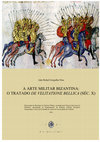
The study of Byzantine military treatises is a blank subject in Portugal but it has aroused the i... more The study of Byzantine military treatises is a blank subject in Portugal but it has aroused the interest of the international scientific community, especially because of its importance for the understanding of eastern Roman army’s tactics, equipment and composition. At the end of the tenth century, an anonymous military treatise entitled De
velitatione bellica was composed in Byzantium. According to some scholars, the authorship of this work can be attributed to the Emperor Nicephorus Phocas; even if we suppose that this reputed general was not the material author of the work, it appears that his controversial
character and his career may have been its main source of inspiration. Through the pages of this unique treaty we will then examine how war was fought on the borders of the Taurus, where tactics that we can consider as "guerrilla" were being used, implemented by regular
forces of the Byzantine administrative circumscriptions - the témata. The interest of the work attributed to Nikephoros emperor does not end in this subject; subjects as varied as the (posthumous) legitimation of the Phocas family or the relationship between Byzantium and Islam are also covered, making it a unique case study within its genre. The analysis of the treaty is complemented with the necessary research of Arab and Byzantine sources, as well as important studies written on the subject. Whenever possible, we used the most relevant Byzantine treatises like Maurice’s Stratēgikón (7th century AD) or the Taktiká of Leo VI (10th
century AD), to verify if the De velitatione bellica has a high originality dose or, on the contrary, it continues to use the old model, based on the works of classical authors.
Book Chapters by Joao Nisa
Paisajes fortificados en la Historia. V Congreso internacional de castellología. Homenaje al Dr. Amador Ruibal Rodríguez, 2024
The Alentejo region was one of the most militarised areas in medieval Europe. Certainly, the exte... more The Alentejo region was one of the most militarised areas in medieval Europe. Certainly, the extensive border shared with Castile made this territory a preferential scenario for conflicts between the two Iberian neighbours. In this sense, it was vital that the city walls and castles were properly preserved and garrisoned; a recurrent concern expressed by the towns and cities of the region in the courts held throughout the 15th century. After the end of the war against Castile, King João II sought to renew and update the defences of the region’s fortresses, espe�cially Olivença, a task that his successor King Manuel I continued by sending his squire Duarte d’Armas to record the condition of the border fortifications in his famous Livro das Fortalezas (c. 1509-1510). Of the 55 castles recorded in the work, 20 were in the South, demonstrating their strategic importance. Through the preferential use of archival sources, we intend to analyse the state of Alentejo’s fortifications in the reigns of Afonso V, João II and Manuel I. We will also examine the royal policy regarding the preservation and updating of the frontier towns, trying to discern if there were any changes in this policy over the 80 years covered by this study.
Atas do V Encontro de História de Loulé, 2024
Terrorism through the Ages, 2023
Koninklijke Brill NV reserves the right to protect this publication against unauthorized use. Req... more Koninklijke Brill NV reserves the right to protect this publication against unauthorized use. Requests for re-use and/or translations must be addressed to Koninklijke Brill NV via brill.com or copyright.com. The authors have made all reasonable efforts to trace all rights holders to any copyrighted material used in this work. In cases where these efforts have not been successful the publisher welcomes communications from copyright holders, so that the appropriate acknowledgements can be made in future editions, and to settle other permission matters. This book is printed on acid-free paper and produced in a sustainable manner.
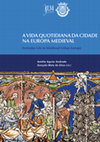
A vida quotidiana da cidade na Europa Medieval / Everyday Life in Medieval Urban Europe , 2022
Foi com as palavras que dão título a este trabalho que o concelho de Mourão, nas Cortes de 1439, ... more Foi com as palavras que dão título a este trabalho que o concelho de Mourão, nas Cortes de 1439, ilustrou o peso que a guerra tinha no seu quotidiano. Em tempos de paz, os homens dos concelhos estavam sujeitos a um variado leque de obrigações, que iam desde a manutenção de armas e cavalo até à participação nos alardos, convocados pelos coudéis. Assim, os moradores dos termos viam-se obrigados a efetuar grandes deslocações, com claro prejuízo pessoal e financeiro. Quando a guerra se aproximava, a situação agravava-se: habitações destruídas, colheitas queimadas e a possibilidade de enfrentar o cativeiro não seriam o pior dos cenários que, em último caso, poderia passar pela perda da própria vida. Com recurso a fontes narrativas e a fontes documentais provenientes de arquivos (locais, regionais e nacionais), pretende-se demonstrar o peso que o serviço militar tinha na sociedade da época, particularmente em tempo de conflito, num território com graves problemas de povoamento que os monarcas tentaram resolver de duas maneiras distintas: se, por um lado, isentavam as populações de serviço militar; por outro, atribuíam privilégios (fiscais e sociais) a quem se predispunha a cumprir as suas obrigações, numa tentativa de equilibrar os dois pratos da balança e salvaguardar a defesa do reino. / It was with these words that the municipality of Mourão, in the Cortes of 1439, illustrated the weight that war had on its daily life. In times of peace, the men of the municipalities were subject to a wide range of obligations, which varied from the maintenance of arms and horses to the participation in the general reviews (alardos), summoned by the officials (coudéis). Thus, the inhabitants of the hinterland were forced to make long journeys, with clear personal and financial losses. When war approached, the situation worsened: destroyed houses, burnt crops and the possibility of facing captivity were not the worst of scenarios which, in the last resort, could involve the loss of one's own life. Using narrative and archival sources from local, regional and national archives, we intend to demonstrate the weight that military service had in the society of the time, particularly in times of conflict, in a territory with serious settlement
problems that the monarchs tried to solve in two different ways: on one hand, they exempted the populations from military service; on the other hand, they attributed privileges (fiscal and social) to those who were willing to fulfill their obligations, in an attempt to balance the two scales and safeguard the defense of the kingdom.
Grandes trabalhos e aventuras. O cerco de Ciudad Rodrigo (1370)
Fechos de armas. 15 hitos bélicos del Medievo ibérico (siglos XI-XVI), Madrid, La Ergástula - ISBN: 978-84-16242-77-1, 2020
Resumen: La guerra civil que enfrentó a Pedro I de Castilla, el Cruel, y a su medio-hermano, el b... more Resumen: La guerra civil que enfrentó a Pedro I de Castilla, el Cruel, y a su medio-hermano, el bastardo Enrique de Trastámara, es uno de los episodios más sangrientos de la Edad Media europea, suponiendo, además, el traslado de la Guerra de los Cien Años al escenario peninsular. Auxiliado por el contingente anglo-gascón del Príncipe Negro, primogénito de Eduardo III de Inglaterra, Pedro consiguió una importante victoria sobre Enrique en la batalla de Nájera (1367), aunque no decisiva. El Trastámara consiguió escapar y, junto con el mercenario bretón Bertrand du Guesclin, regresaría con un nuevo ejército para arrebatar el trono a su hermano. Finalmente, Enrique lo conseguiría en Montiel (1369), donde derrotaría y asesinaría, poco después, a su hermanastro Pedro de Castilla. Determinados a no aceptar al nuevo rey, algunos nobles castellanos buscaron refugio en Portugal, donde juraron fidelidad a Don Fernando, bisnieto de Sancho IV de Castilla, quien se determinó a reclamar el trono del reino vecino. A inicios del verano de 1369, una fuerza portuguesa comandada por su rey irrumpió en Galicia, recibiendo el apoyo de varias plazas, como La Coruña, Tui y Orense. Entonces Enrique II salió al encuentro del monarca portugués, quien, ante esta rápida respuesta, regresó por mar a Oporto y ordenó la retirada de su ejército. Los castellanos no tardaron en irrumpir en Portugal y sembrar la devastación en las comarcas de Miño y Trás-os- Montes. Enrique II incendió Braga, cercó infructuosamente Guimarães y ocupó Vinhais, Outeiro de Miranda y Bragança. Sólo las noticias de la pérdida de Algeciras ante el rey de Granada consiguieron que se retirara. Mientras, en la propia Castilla, no eran pocos los bastiones petristas que se resistían a reconocer al bastardo como su rey. Entre ellos, Ciudad Rodrigo, punto estratégico junto a la frontera portuguesa. Comandados por su fronteiro Gomes Lourenço do Avelar, los defensores serán sometidos a un prolongado y violento cerco: fuego, sangre y piedra pondrán a prueba su tenaz resistencia.
Abstract: The Civil War that put face-to-face Peter I of Castile, “the Cruel”, and his bastard half-brother, Henry of Trastamara, was one of the bloodiest episodes of the European Middle Ages, bringing the context of the Hundred Years War into the Iberian Peninsula. Aided by the Anglo-Gascon contingent of the Black Prince, son of Edward III of England, Peter obtained an important, however not decisive victory over Enrique in the battle of Nájera (1367). The Trastamara bastard managed to escape and the Briton mercenary Bertrand du Guesclin, his ally, would return to Castilian lands, after his capture in the battle. The epilogue of such episode would be written in Montiel (1369), where the King of Castile was defeated and, a few days later, assassinated at the hands of his brother, from now on Enrique II of Castile. Committed into not accepting the new King, some Castilian nobles sought refuge in Portugal and swore fealty to King Fernando, the great-grandson of Sancho IV of Castile who would try to reclaim the throne of the neighbouring kingdom. At the beginning of the summer of 1369, a Portuguese army led by the king entered Galicia and received the support of several towns, like La Coruña, Tui and Ourense. Enrique II counterattacked and decided to meet his Portuguese counterpart who, in the meantime, escaped aboard a ship headed to Porto and ordered the retreat of his army. In the immediate aftermath, the Castilian army entered
Portugal and left a trail of destruction in Minho and Trás-os-Montes, burning the city of Braga, laying an unsuccessful siege to Guimarães and conquering Vinhais, Cedovim, Outeiro de Miranda and Bragança, retreating shortly after due to the news that announced the fall of Algeciras to the King of Granada. However, some bastions of petristas still refused to accept Henrique II as their legitimate ruler. One of those examples was Ciudad Rodrigo, a stronghold strategically located near to the Portuguese border. In early 1370, the stronghold, defended by his fronteiro, Gomes Lourenço do Avelar, would sustain a long-lasting and violent siege. Its garrison would be put to the test through fire, blood and stone.
Juvenes - The Middle Ages seen by young researchers (http://books.openedition.org/cidehus/9937), 2020
Português: O território que hoje corresponde ao Alentejo, mais concretamente o que se encontra ju... more Português: O território que hoje corresponde ao Alentejo, mais concretamente o que se encontra junto à fronteira com o antigo reino de Castela foi, durante toda a Idade Média, um dos mais importantes pontos de penetração em território nacional, se não mesmo o mais importante. Assim, durante o reinado de D. Fernando (1367-1383), a capacidade de resposta da comarca de Odiana, tanto ofensiva como defensiva, vai ser posta à prova. Este trabalho pretende demonstrar, através da análise das fontes disponíveis, sobretudo narrativas, como o poder régio conseguiu solucionar alguns dos problemas relacionados com a gestão e organização da guerra nesta região. Num âmbito mais alargado iremos observar a complexidade das relações fronteiriças luso-castelhanas, algo singulares, mas típicas da Baixa Idade Média europeia, caracterizadas por um tipo de operações militares de curta duração que tinham por objetivo enfraquecer a capacidade económica do inimigo e minar a sua soberania.
English: The territory that today corresponds to the Alentejo region, namely that which is near the border with the old Kingdom of Castile was, throughout the Middle Ages, one of the most important points of penetration in Portuguese territory, if not the most important. Thus, during the reign of King Fernando (1367-1383), the response capacity of the comarca (administrative circumscription) of Odiana will be put to the test. This work intends to show, through the analysis of the available primary sources, particularly the narrative ones, how royal power managed to solution problems related with the management and organization of war in this region. In a broader range we will observe the complexity of Portuguese and Castilian border relations, to some extent singular, albeit typical of the Late Middle Ages, based on a type of short-term military operations with the objective of weakening the economic power and authority of the enemy.
A poliorcética e o poder naval bizantinos. In O Sangue de Bizâncio: ascensão e queda do Império Romano do Oriente, 423 - 444 (coord. João Gouveia Monteiro). Coimbra: Imprensa da Universidade de Coimbra, 2017.
Book Reviews by Joao Nisa
O cronista Rui de Pina, na Crónica de D. Afonso V, não hesita em referir que o infante D. Pedro "... more O cronista Rui de Pina, na Crónica de D. Afonso V, não hesita em referir que o infante D. Pedro "cairia em caso de rebelião e desobediência, contra quem a indinação d'elrei em tal caso pareceria justa e de mais razão", se rejeitasse o pedido do monarca, seu sobrinho, relativamente à entrega das armas que teria no seu armazém, na cidade de Coimbra 1 . Esta afirmação encerra, desde logo, dois elementos importantes relativamente às rebeliões medievais: a sua utilização como instrumento de pressão política e, por outro lado, a justificação legal do uso da violência como meio de reposição da ordem natural do status, isto é, a correção da transgressão. Seguindo esta linha de pensamento, o livro Rebellion in Medieval Europe (c.1000c.1500), editado por Adrian Jobson, Harriet Kersey e Gordon McKelvie, reúne todos os condimentos necessários para que seja considerada como uma obra de referência neste domínio, uma vez que consegue discutir e analisar, com profundidade, este fenómeno. Trata-se de uma obra coletiva que conta com 15 contribuições, com a particularidade de cada uma delas se focar num determinado estudo de caso, inserido numa cronologia concreta. Para além disso, joga a seu favor um ponto que nos parece ser de extrema importância: a diversidade geográfica. Contrariamente ao que sucede com outras obras do género, existiu uma clara opção por parte dos editores em incluir realidades que, de uma maneira geral, não costumam fazer parte deste tipo de estudos. Tal facto só valoriza as reflexões vertidas na introdução, uma vez que conseguimos ter uma leitura global do tema, desde a Península Ibérica, com os casos de Portugal e Castela, até à Escandinávia, onde se analisa o caso sueco. Antes de entrar na discussão dos capítulos, importa mencionar que a introdução deste livro constitui, per se, uma abordagem teórica muito bem fundamentada sobre este assunto. Pode constituir um bom ponto de partida para todos os investigadores que, no futuro, pretendam enveredar pelo estudo das revoltas e rebeliões na Idade Média. De uma forma clara, objetiva e rigorosa, consegue, simultaneamente, apresentar os textos dos autores que participam no volume e discutir uma série de



Uploads
Papers by Joao Nisa
upon request from António Vieira, administrator of the House of the Duke of Bragança.
Abstract – In the summer of 2014 an archaeological excavation was carried out inside the church of S. Miguel (Freixo de Espada à Cinta, Portugal), which revealed part of the history of the monument, as well as the daily life and religious beliefs of the population of this village situated in the interior North of the country, during the Modern period. The most relevant data about the excavation will be presented and discussed in this article, considering the Archaeology, Anthropology and History of the site.
A Carta Arqueológica de um qualquer concelho deverá ter como principal objectivo o registo das várias ocorrências patrimoniais das suas diferentes freguesias, compilando as ocorrências num documento que, em primeiro lugar, permita adquirir um conhecimento aprofundado das condições patrimoniais do município, mas também que auxilie no julgamento dos projectos de construção, desenvolvimento e gestão do património. De facto, perante a constante pressão demográfica e desenvolvimento urbano que se verifica hoje em dia, é necessário criar mecanismos de defesa que evitem destruições fortuitas. A elaboração de um documento como a Carta Arqueológica vai permitir que profissionais da área detectem zonas de maior ou menor sensibilidade e potencial arqueológico e patrimonial, possibilitando monitorizações mais rigorosas dos locais e controlo das condições de preservação. Por outro lado, a Carta Arqueológica pode ser o ponto de partida para projectos de investigação de diversa ordem, nomeadamente referentes à valorização dos sítios, podendo culminar em interessantes estudos, musealizações, exposições, que dinamizem a cultura e a economia locais, ainda que, frequentemente, a médio e longo prazo.
Os resultados de projectos como os levantamentos e cartas arqueológicas deveriam portanto ser acessíveis a todos os interessados, nomeadamente às populações locais, que partilham com os sítios História, memória e experiência, importantes e essenciais elementos para a própria preservação, valorização e salvaguarda dos sítios.
Assim, o objectivo primário da Carta Arqueológica não é a análise pormenorizada de cada sítio, mas antes sumariamente sua identificação e descrição sumária, contemplando informações que indiquem a tipologia, localização, acessos, estado de conservação, sendo que estes dados devem ser complementados por um adequado registo fotográfico e cartográfico. Perante as características e condições de cada ocorrência, poderá então proceder-se a recomendações quanto às medidas de minimização a ter em conta, no sentido da sua salvaguarda e protecção."
The aim of this study is to contribute to further theme developments based on a larger number of tombs over a wider area in order to find out more about this reality in the portuguese south.
Thesis Chapters by Joao Nisa
velitatione bellica was composed in Byzantium. According to some scholars, the authorship of this work can be attributed to the Emperor Nicephorus Phocas; even if we suppose that this reputed general was not the material author of the work, it appears that his controversial
character and his career may have been its main source of inspiration. Through the pages of this unique treaty we will then examine how war was fought on the borders of the Taurus, where tactics that we can consider as "guerrilla" were being used, implemented by regular
forces of the Byzantine administrative circumscriptions - the témata. The interest of the work attributed to Nikephoros emperor does not end in this subject; subjects as varied as the (posthumous) legitimation of the Phocas family or the relationship between Byzantium and Islam are also covered, making it a unique case study within its genre. The analysis of the treaty is complemented with the necessary research of Arab and Byzantine sources, as well as important studies written on the subject. Whenever possible, we used the most relevant Byzantine treatises like Maurice’s Stratēgikón (7th century AD) or the Taktiká of Leo VI (10th
century AD), to verify if the De velitatione bellica has a high originality dose or, on the contrary, it continues to use the old model, based on the works of classical authors.
Book Chapters by Joao Nisa
problems that the monarchs tried to solve in two different ways: on one hand, they exempted the populations from military service; on the other hand, they attributed privileges (fiscal and social) to those who were willing to fulfill their obligations, in an attempt to balance the two scales and safeguard the defense of the kingdom.
Abstract: The Civil War that put face-to-face Peter I of Castile, “the Cruel”, and his bastard half-brother, Henry of Trastamara, was one of the bloodiest episodes of the European Middle Ages, bringing the context of the Hundred Years War into the Iberian Peninsula. Aided by the Anglo-Gascon contingent of the Black Prince, son of Edward III of England, Peter obtained an important, however not decisive victory over Enrique in the battle of Nájera (1367). The Trastamara bastard managed to escape and the Briton mercenary Bertrand du Guesclin, his ally, would return to Castilian lands, after his capture in the battle. The epilogue of such episode would be written in Montiel (1369), where the King of Castile was defeated and, a few days later, assassinated at the hands of his brother, from now on Enrique II of Castile. Committed into not accepting the new King, some Castilian nobles sought refuge in Portugal and swore fealty to King Fernando, the great-grandson of Sancho IV of Castile who would try to reclaim the throne of the neighbouring kingdom. At the beginning of the summer of 1369, a Portuguese army led by the king entered Galicia and received the support of several towns, like La Coruña, Tui and Ourense. Enrique II counterattacked and decided to meet his Portuguese counterpart who, in the meantime, escaped aboard a ship headed to Porto and ordered the retreat of his army. In the immediate aftermath, the Castilian army entered
Portugal and left a trail of destruction in Minho and Trás-os-Montes, burning the city of Braga, laying an unsuccessful siege to Guimarães and conquering Vinhais, Cedovim, Outeiro de Miranda and Bragança, retreating shortly after due to the news that announced the fall of Algeciras to the King of Granada. However, some bastions of petristas still refused to accept Henrique II as their legitimate ruler. One of those examples was Ciudad Rodrigo, a stronghold strategically located near to the Portuguese border. In early 1370, the stronghold, defended by his fronteiro, Gomes Lourenço do Avelar, would sustain a long-lasting and violent siege. Its garrison would be put to the test through fire, blood and stone.
English: The territory that today corresponds to the Alentejo region, namely that which is near the border with the old Kingdom of Castile was, throughout the Middle Ages, one of the most important points of penetration in Portuguese territory, if not the most important. Thus, during the reign of King Fernando (1367-1383), the response capacity of the comarca (administrative circumscription) of Odiana will be put to the test. This work intends to show, through the analysis of the available primary sources, particularly the narrative ones, how royal power managed to solution problems related with the management and organization of war in this region. In a broader range we will observe the complexity of Portuguese and Castilian border relations, to some extent singular, albeit typical of the Late Middle Ages, based on a type of short-term military operations with the objective of weakening the economic power and authority of the enemy.
Book Reviews by Joao Nisa